Renovation and remodeling play a vital role in enhancing the beauty, functionality, and value of residential and commercial spaces. Whether it is an old home that needs a fresh look, a growing family requiring more space, or a commercial property aiming to create a modern impression, renovation and remodeling provide effective solutions without the need for complete reconstruction. With thoughtful planning, professional execution, and quality materials, renovation projects can completely transform how a space looks and feels.
Understanding Renovation and Remodeling
Although often used interchangeably, renovation and remodeling have distinct meanings. Renovation focuses on restoring or updating existing structures. This may include repairing damaged areas, repainting walls, replacing old flooring, or upgrading electrical and plumbing systems. The goal of renovation is to refresh and improve the existing structure while maintaining its original layout.
Remodeling, on the other hand, involves altering the structure or layout of a space. This could mean removing walls to create open-plan living areas, redesigning kitchens and bathrooms, adding rooms, or changing the overall flow of a building. Remodeling is ideal for those who want to adapt their space to new lifestyle needs or modern design trends.
Why Renovation & Remodeling Are Important
Over time, buildings naturally experience wear and tear. Materials age, designs become outdated, and functional requirements change. Renovation and remodeling address these challenges by improving safety, comfort, and efficiency. Modern upgrades such as energy-efficient lighting, improved insulation, and smart home features not only enhance daily living but also reduce long-term maintenance and utility costs.
Another key benefit is increased property value. Well-planned renovation and remodeling projects significantly boost market appeal. Updated kitchens, modern bathrooms, and functional living spaces are major selling points for potential buyers and tenants. Even small upgrades can lead to a strong return on investment.
Planning a Successful Renovation Project
Proper planning is the foundation of any successful renovation or remodeling project. The first step is identifying clear goals. Homeowners and business owners should determine what they want to achieve—whether it is more space, better functionality, improved aesthetics, or increased energy efficiency.
Budget planning is equally important. A realistic budget helps prioritize essential upgrades while allowing flexibility for design improvements. It is always advisable to set aside a contingency fund for unexpected expenses that may arise during construction.
Design planning follows budgeting. This stage involves selecting layouts, materials, colors, and finishes that align with the project goals. Professional designers and engineers play a crucial role here, ensuring that the design is both visually appealing and structurally sound.
Kitchen Remodeling:
The kitchen is often considered the heart of a home. Remodeling a kitchen can greatly improve functionality and aesthetics. Modern cabinets, efficient storage solutions, upgraded countertops, and smart appliances make cooking and dining more enjoyable. Open kitchen concepts are especially popular, creating a seamless connection between living and dining areas.
Bathroom Renovation:
Bathrooms benefit greatly from renovation. Replacing old fixtures, improving ventilation, upgrading tiles, and installing modern sanitary fittings enhance comfort and hygiene. Even small bathrooms can feel luxurious with smart design and quality materials.
Living and Bedroom Spaces:
Renovating living rooms and bedrooms focuses on comfort, lighting, and layout. Improved flooring, modern lighting systems, better ventilation, and customized storage solutions create a relaxing and functional environment.
Exterior Renovation:
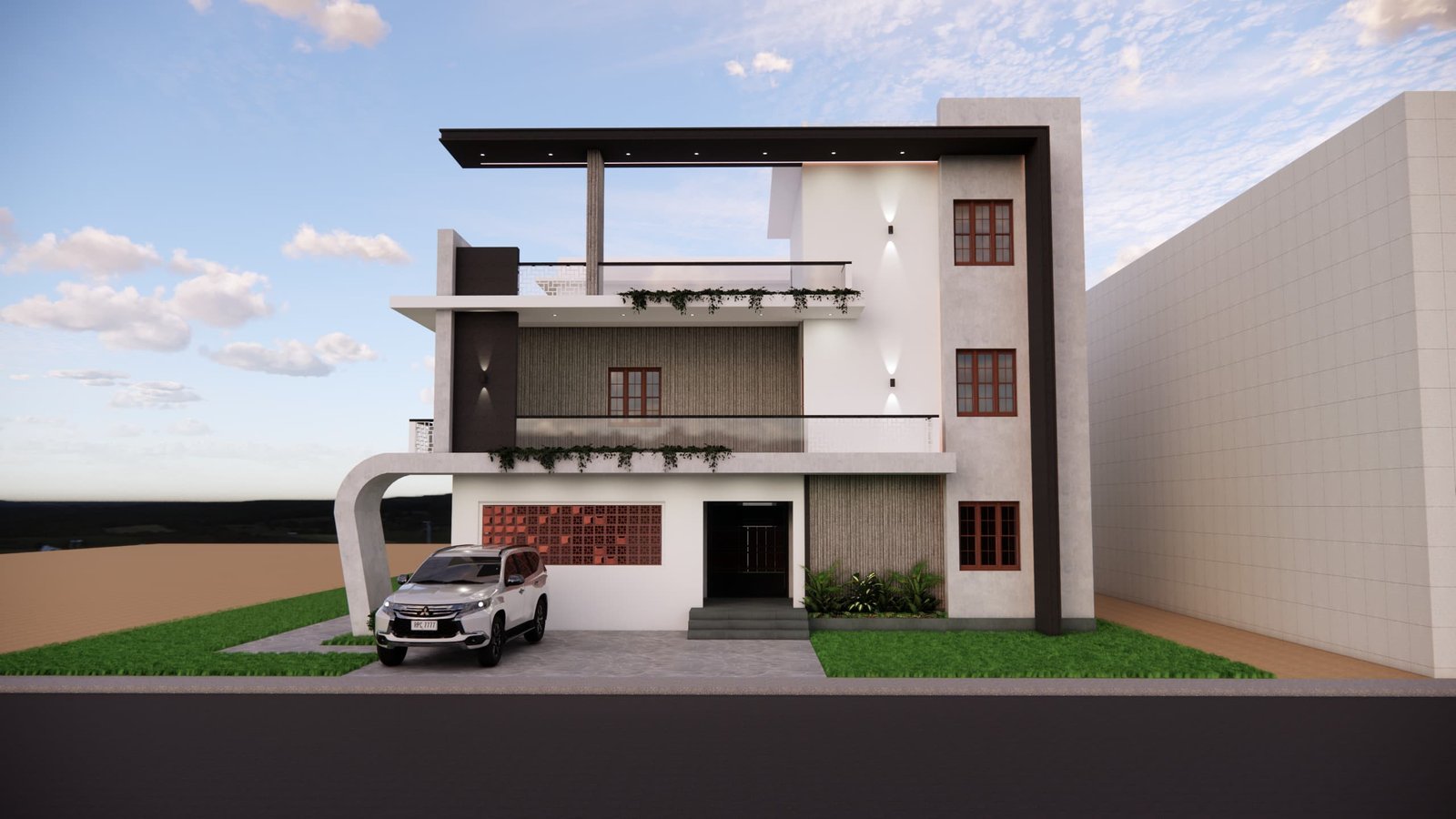
The exterior of a building creates the first impression. Renovating facades, repainting exteriors, upgrading doors and windows, and improving landscaping enhance curb appeal and protect the structure from environmental damage.
Role of Professional Expertise
Renovation and remodeling require technical knowledge, skilled labor, and project management expertise. Professional contractors ensure that work is completed safely, efficiently, and in compliance with building standards. Structural engineers assess load-bearing elements, while architects and designers optimize space utilization.
Experienced professionals also help in material selection, ensuring durability and cost-effectiveness. Their expertise minimizes errors, reduces delays, and ensures a smooth workflow from start to finish.
Quality Materials and Workmanship
The success of any renovation project depends heavily on the quality of materials and workmanship. High-quality materials may have a higher initial cost, but they offer long-term durability, reduced maintenance, and better performance. From flooring and paint to electrical fittings and plumbing systems, every component contributes to the overall quality of the project.
Skilled workmanship ensures precise execution of designs, clean finishes, and long-lasting results. Attention to detail during installation and finishing stages makes a significant difference in the final outcome.
Sustainability and Modern Trends
Modern renovation and remodeling increasingly focus on sustainability. Eco-friendly materials, energy-efficient appliances, rainwater harvesting systems, and solar solutions are becoming popular choices. These upgrades not only reduce environmental impact but also lower operating costs over time.
Design trends also evolve continuously. Minimalist interiors, neutral color palettes, natural lighting, and multifunctional spaces are widely preferred. Smart home technology, including automated lighting, security systems, and climate control, adds convenience and modern appeal.
Challenges and How to Overcome Them
Renovation projects can present challenges such as unexpected structural issues, budget overruns, or delays. These challenges can be managed through proper planning, transparent communication, and professional supervision. Regular site inspections and clear timelines help keep the project on track.
Flexibility is also important. Being open to minor design adjustments or alternative materials can help overcome unforeseen obstacles without compromising quality.
Conclusion
Renovation and remodeling are powerful tools for transforming spaces to meet modern needs and lifestyles. Whether upgrading a single room or redesigning an entire property, these projects enhance comfort, functionality, and value. With clear goals, thoughtful planning, professional expertise, and quality materials, renovation and remodeling can deliver long-lasting results and renewed satisfaction in any space.
Investing in renovation is not just about improving a building—it is about creating better living and working environments that reflect personal style, support daily activities, and stand the test of time.
Add a Comment